Musculoskeletal disorders
This section contains information about WorkSafe's focus on musculoskeletal disorders.
A to Z topics and industries > Work-related health > Musculoskeletal disorders

Showing 40 of 1681 results for Manual handling
This section contains information about WorkSafe's focus on musculoskeletal disorders.
A to Z topics and industries > Work-related health > Musculoskeletal disorders
Lifting, carrying, pushing or pulling heavy loads can result in serious injuries to workers
A to Z topics and industries > Manual handling
Read our guidance relating to working postures and managing risks when using computers.
A to Z topics and industries > Work-related health > Musculoskeletal disorders > Working with computers

This ACOP sets out a process that may be used to identify, assess and control the hazards associated with manual handling.
A to Z topics and industries > Manual handling > Preventing manual handling injuries
Screening tools to help businesses to manage risks from lifting, lowering, carrying, pushing, pulling, and handling loads while seated.

MAC has been adapted by WorkSafe New Zealand to reflect New Zealand legislation. This version is known as the New Zealand MAC (NZMAC). The NZMAC can also help you to identify where control measures could be put in place to eliminate or minimise the risk of discomfort, pain, and injury, and prioritise which tasks should be considered first.
Only use this tool for tasks where workers are seated, and loads are handled using two hands. It will help you to identify if the task is low risk or if you need to complete a more detailed risk assessment.
Use the New Zealand manual handling assessment charts (NZMAC) to help identify high-risk manual handling tasks. It will help you assess the most common risk factors for lifting, carrying, and team handling tasks.
A to Z topics and industries > Work-related health > Musculoskeletal disorders > Manual tasks screening tools and risk assessments > Risk assessments for manual tasks > New Zealand manual handling assessment charts (NZMAC)

Manual handling (or ‘how to lift’) training does not reduce the incidence of musculoskeletal disorders. Find out about what works instead and what businesses can do to manage the risks of hazardous manual tasks.
A to Z topics and industries > Work-related health > Musculoskeletal disorders > Manual handling training not an effective control
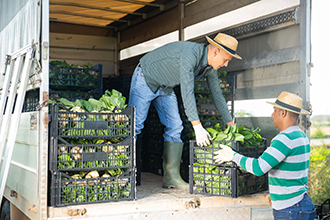
This fact sheet identifies the dangers and risks from manual handling in farming and offers recommendations to help avoid accidents and injuries
A to Z topics and industries > Manual handling > Preventing manual handling injuries - fact sheet
This code of practice sets a process that may be used to identify, assess and control hazards associated with manual handling.
This report outlines the development process of the New Zealand manual handling screening and risk assessment tools. And it provides a record of the logic behind why specific changes to the HSE tools were made.
A to Z topics and industries > Work-related health > Musculoskeletal disorders > Reports to support work-related musculoskeletal disorders resources and tools > Development of hazardous manual task risk assessments

Improper use of metalwork machinery is a frequent cause of workplace amputations, manual handling and crush injuries, and fractures to the fingers, hands and arms.
A to Z topics and industries > Machinery > Metalwork machinery
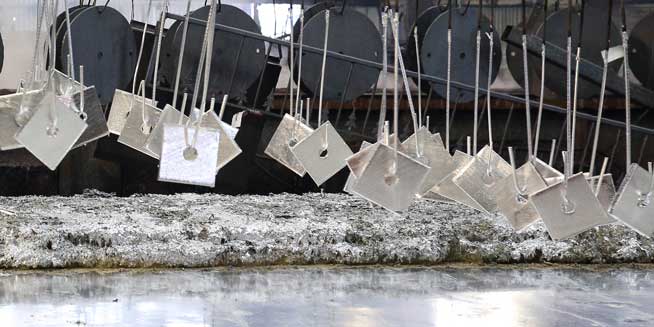
What WorkSafe is looking for from manufacturing companies, occupational health in manufacturing, manual handling and wellness at Fletcher Aluminium, and a case study from B&D Doors
A to Z topics and industries > Construction > Construction industry presentations > Improving health and safety in manufacturing (February 2015)
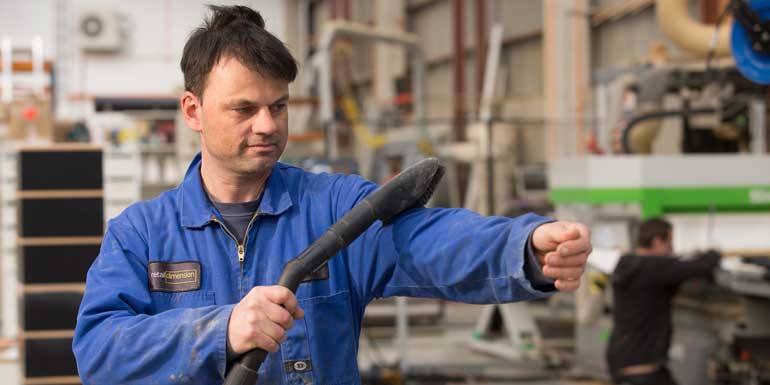
When leading supply chain solutions company CHEP New Zealand logged 35 manual handling injuries in one year, they knew they needed to start doing things differently.
Tools, registers, and resources > Resources > Case studies > Worker engagement and participation case studies > Coaching colleagues cuts injury rates and boosts productivity

Back injuries, sprains, strains and hand wounds are the leading injuries associated with shearing sheep.
A to Z topics and industries > Agriculture > Working with animals > Working with sheep > Safe sheep shearing fact sheet

Find out about the three different manual task risk assessments: the New Zealand manual handling assessment charts (NZMAC) which assesses lifting, carrying, and team handling; the New Zealand risk assessment of pushing and pulling (NZRAPP); and the New Zealand assessment of repetitive tasks (NZART).
A to Z topics and industries > Work-related health > Musculoskeletal disorders > Manual tasks screening tools and risk assessments > Risk assessments for manual tasks

Use the five manual tasks screening tools for lifting/lowering, carrying, pushing/pulling, manual-handling-while-seated, and repetitive upper limb activities to identify if the task is low risk, or if you need to complete further assessment.
A to Z topics and industries > Work-related health > Musculoskeletal disorders > Manual tasks screening tools and risk assessments > Screening tools for manual tasks

Hazardous manual tasks like lifting, carrying, pushing, or pulling heavy loads put workers at risk of serious injury.
A to Z topics and industries > Manual handling > Lifting, carrying, pushing, and pulling - what's the problem?

The most common result of manual handling incidents is injuries and pain in the lower back. According to ACC data, about 20% of farm related accidents are caused by manual handling. Manual handling is also one of many inter- related risks for acute low back pain.
A checklist to help businesses understand their work-related musculoskeletal risks.
The codes and conditions list was developed to support WorkSafe with the classification of work-related musculoskeletal disorders. Our report outlines how we did this.
A to Z topics and industries > Work-related health > Musculoskeletal disorders > Reports to support work-related musculoskeletal disorders resources and tools > Development of a work-related musculoskeletal disorders codes and conditions list

Musculoskeletal disorders (MSDs) affect the lives of many New Zealanders and contribute to high numbers of workplace injury claims. There is no internationally recognised classification list and WRMSDs are not easily identified from New Zealand accident compensation data. Developing a New Zealand-based WRMSDs codes and conditions list will enable WorkSafe New Zealand to extract WRMSDs information more accurately and efficiently from such datasets.

This tool can help you to identify when pushing or pulling activities are low risk, or if you need to complete a more detailed risk assessment.
The selection process and recommended tools for use in Aotearoa New Zealand.
Information and guidance when working with concrete, in particular during concrete pouring or working with pre-cast concrete
A to Z topics and industries > Concrete
This screening tool can help you identify when a lifting or lowering task is low risk or if you need to complete a more detailed risk assessment.
This tool can help you to identify when a simple carrying task performed by one person is low risk, or, if you need to complete a more detailed risk assessment.
Falls, lifting heavy loads, moving vehicles, and standing for long periods of time are just some of the ways that supermarket workers and others can be injured.
Managing health and safety > Managing risks > What risk looks like in your industry > Supermarket

Showing 40 of 1681 results for Manual handling